UK reader guide · Great Britain facts labelled where relevant

Casino not on GAMSTOP: checks, risks and support for UK readers

The phrase can sound simple, but it covers several different questions: whether a gambling business is licensed in Great Britain, whether GAMSTOP protection applies, what happens to payments and identity checks, and what a person should do if gambling has started to feel hard to control. This guide keeps the answer practical and careful. It does not list casinos, promote bonuses or describe ways round protection tools.

Use this page to slow the decision down, separate verified checks from marketing claims, and choose safer next steps.

A calm desk scene showing a licence check checklist and official documents
A useful first step is to check claims carefully instead of treating a short phrase as proof of safety.

Loading...

Start here

What “casino not on GAMSTOP” can mean

When someone sees the phrase “casino not on GAMSTOP”, the first temptation is to treat it as a category with a clear promise. That is risky. A short label does not prove that a site is safe, licensed, fair, suitable for a UK reader, or able to pay withdrawals smoothly. It may simply be advertising language. It may refer to a business that is not licensed by the Gambling Commission in Great Britain. It may refer to a site whose licence details are hard to match with its trading name or web address. It may also be used to attract people who are currently self-excluded and should not be encouraged back into gambling.

The safer way to read the phrase is as a warning to check the basics before doing anything irreversible. If a gambling website is licensed in Great Britain, GAMSTOP says its exclusion can block sign-up or use of online accounts with companies licensed there. That does not automatically tell you what applies in Northern Ireland or what applies to a site that presents itself from outside Great Britain. The practical point is simple: do not turn an unclear label into a green light.

At a glance

  • Not being on GAMSTOP should never be treated as a benefit by itself.
  • A licence claim needs to be checked against official information, not just repeated from a website footer.
  • Self-exclusion is a protective measure, not a problem to solve by finding another route to gamble.
  • Payment, identity and withdrawal checks can matter as much as the licence claim.
  • If gambling feels urgent, secretive, unaffordable or hard to stop, support should come before any further decision.
How to read common claims carefully
Claim or phrase What it may mean What to check What not to assume
“Not on GAMSTOP” The site may not be part of the GB self-exclusion scheme, or the claim may be used loosely. Whether the business is licensed in Great Britain and whether the name, domain and company details match. Do not assume safety, legality for your situation, faster withdrawals or easier access.
“Licensed” A website may mention a licence, a company number, or another jurisdiction. Use the relevant official register where available and compare details carefully. Do not assume a badge or footer text proves current permission.
“No verification” It may be a marketing claim about sign-up speed or document checks. For Great Britain, online gambling businesses must verify age and identity before gambling. Do not assume no checks means fewer risks, fewer disputes or easier withdrawals.
“Huge bonus” The headline may hide conditions that affect deposits, winnings and withdrawals. Read bonus rules, withdrawal restrictions, identity requirements and customer funds information. Do not assume the headline amount is cash you can withdraw freely.

A safer decision path before you go further

Many people arrive at this topic from different starting points. One person may be comparing a licence claim. Another may already be self-excluded. Another may have a withdrawal problem. A fourth may be worried about privacy or marketing messages. Treating every situation as a buying decision is the wrong approach. A safer decision path starts with the reason you are looking.

If you are checking a site claim

Start with the official public register for Great Britain where that scope applies. Compare the business name, trading name, web address and any public record. If the details do not match, do not fill the gap with guesses.

If you are already self-excluded

Pause the gambling decision. GAMSTOP says an exclusion cannot be removed during the selected minimum period. Looking for another site can be a sign that support is more useful than more comparison.

If the issue is money or ID

Read the rules on deposits, withdrawals, age and identity checks before paying. Relevant GB operators must not accept credit card payments for gambling, and verification can affect whether gambling can start.

If you already have a dispute

Collect evidence, use the business complaint process first, and keep communication calm and written. Unresolved gambling complaints may move to an alternative dispute route after eight weeks where the rules apply.

Licence and identity of the business

How to check a gambling site without trusting the sales page

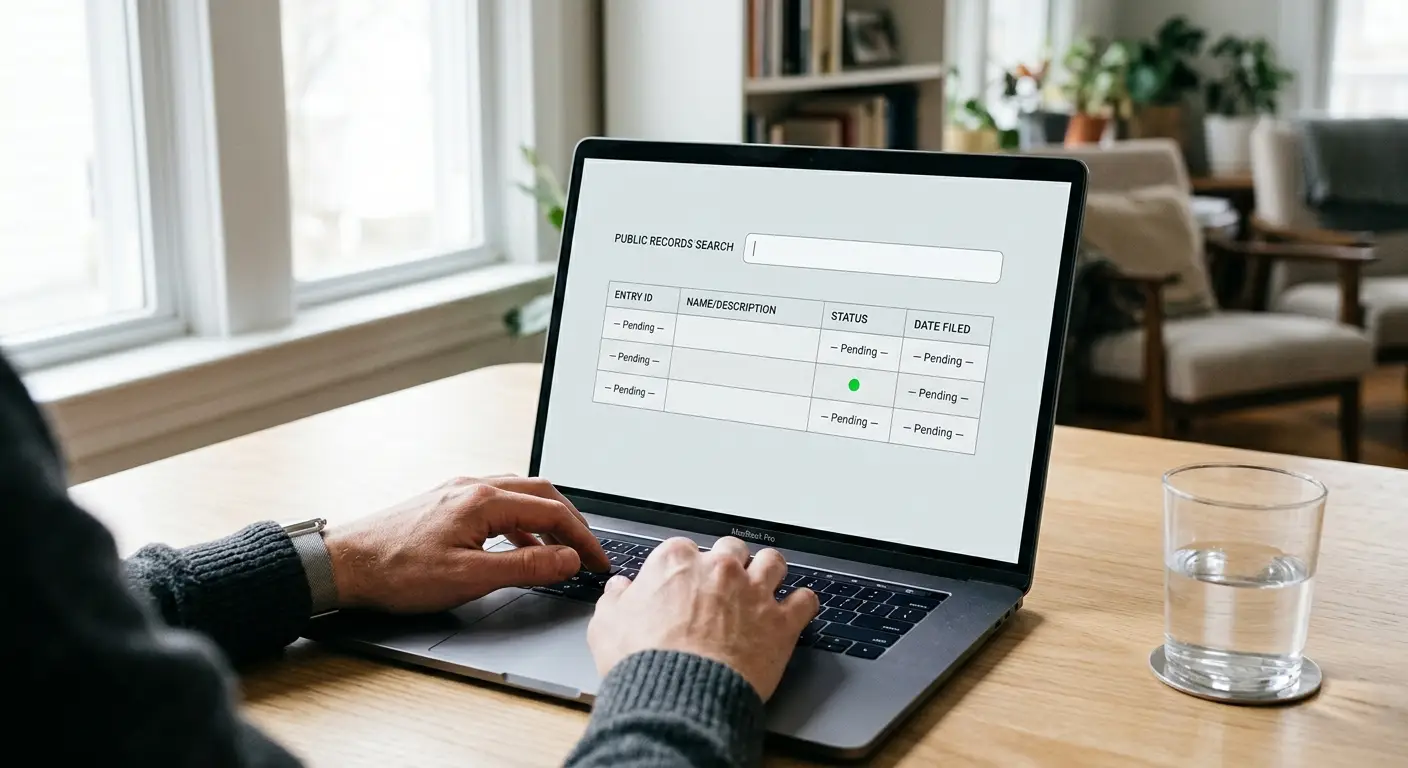
The Gambling Commission public register is the official route for checking licensed businesses, individuals, regulatory actions and premises in Great Britain. A useful check is not just “does a footer mention a licence?” It is a comparison exercise. Look at the legal business name, trading names, web address, licence status and any public notes. If a website uses a different brand from the licensed business, that is not automatically wrong, but it does mean you need to compare details carefully.

Domain matching matters because misleading pages can borrow familiar language. A page may use the name of a known business, display a number without context, or point to a licence that belongs to a different brand. The check should be slow enough to notice differences in spelling, company names, web addresses and status. If you cannot match the details, the safest public wording is not “this is illegal” or “this is a scam”. The safe conclusion is narrower: the claim has not been confirmed from the official information you checked.

Basic claim checks

  • Check the business name, not only the brand on the homepage.
  • Compare the exact web address against any listed domain information.
  • Look for public notes about licence status or regulatory action where the register shows them.
  • Check whether the claim is about Great Britain or another jurisdiction.
  • Do not treat a badge, seal, copied number or footer line as enough by itself.

Read the focused licence and domain checking guide.

Scope matters

Some rules described here are Great Britain-specific. Northern Ireland should not be folded into the same answer unless a rule is directly confirmed for that scope. If a website mixes UK wording with offshore claims, keep the distinction clear and avoid making a broad legal conclusion.

Protection first

GAMSTOP, self-exclusion and when to stop the decision

GAMSTOP is a protection tool. It is not just a technical sign-up rule. According to GAMSTOP, the scheme blocks sign-up or use of online accounts with gambling companies licensed in Great Britain. GAMSTOP also says the exclusion cannot be removed during the selected minimum period. That matters because “not on GAMSTOP” marketing can be especially risky for someone who has already chosen self-exclusion, or for someone who chose it during a difficult period and now feels tempted to test the boundary.

If you are self-excluded, the safest next step is not a comparison of more sites. It is a pause. Ask what has changed since the exclusion was set. If the answer is pressure, boredom, debt, stress, chasing losses or secrecy, the situation is not a normal shopping decision. Bank gambling blocks, device-level blocking tools, account limits and support services may be more useful than another page of offers. The aim is not to shame anyone. It is to avoid turning a protective decision into a moment of harm.

A supportive checklist showing pause points before gambling decisions
Self-exclusion is designed to create space between a person and online gambling.

Support information for Great Britain and Wales

If gambling feels hard to control, help should be treated as a practical option, not a last resort. The Gambling Commission lists the National Gambling Helpline number for England and Scotland as 0808 8020 133. For Wales, it lists 0808 2819 265. Both are shown as 24/7 support numbers. If you feel at risk of harm, use support before making a gambling payment or opening another account.

  • Pause if you are trying to gamble during an active self-exclusion period.
  • Pause if the reason for looking is to recover losses quickly.
  • Pause if the payment would affect rent, bills, food, travel or debt repayments.
  • Pause if you are hiding the activity from someone who would normally help you stay safe.

Read the self-exclusion and support guide.

Money and verification

Payments, identity checks and withdrawal friction

Payment language can be more persuasive than it deserves to be. A site may highlight fast deposits, simple accounts or flexible payment options, but the useful question is what happens across the whole journey: deposit, age check, identity check, possible customer due diligence, gameplay, withdrawal, and dispute if something goes wrong. A quick deposit does not prove that a withdrawal will be quick, and a simple sign-up form does not mean there will be no later document requests.

For Great Britain, relevant operators must not accept credit card payments for gambling. Online gambling businesses must also verify age and identity before gambling. Those two facts are important because they make some advertising claims easier to question. If a site presents credit card gambling as normal for GB players, or suggests that identity checks never matter, the claim deserves extra caution. It may be outside the GB licensing position, it may be loose wording, or it may be a sign that the person reading should slow down and verify the business before paying.

A payment and identity checklist beside a laptop screen
Money checks should include deposits, identity, withdrawal rules and complaint evidence.

Money risk map

Deposit risk

A deposit can be easier than a withdrawal. Check whether the account terms explain payment ownership, verification and limits before funds are sent.

Identity risk

Age and identity checks can affect whether gambling can begin and whether a withdrawal is processed. Do not treat “no checks” as a guarantee.

Block risk

Bank gambling blocks and card rules are protective signals. Trying to get around them can increase harm and make disputes harder to understand later.

Withdrawal risk

Read withdrawal restrictions, bonus conditions, document requests and communication rules before assuming winnings can be taken out immediately.

Read the focused guide to payments, identity checks and withdrawal friction.

Bonus and withdrawal terms

Before accepting a bonus, separate the headline from the rules

Bonus language is often written to feel simple: a large amount, a percentage, a free spin bundle, or a short phrase such as “instant”. The useful reading is different. Treat the bonus as a contract term that can affect your deposit, your bonus balance, your winnings, your ability to withdraw, and the documents you may later need. If the rules are unclear, long, split across several pages or written in a way that makes basic conditions hard to understand, that is a reason to slow down.

Do not assume a bonus amount is cash. Do not assume a deposit remains fully separate from a bonus once terms are accepted. Do not assume all games count in the same way, that every bet size is allowed, or that a withdrawal can be requested at any time. This guide does not invent bonus values or payout times, because those details vary and must be checked from the actual terms a person is considering. What can be said safely is that the terms should be readable before a payment is made, and screenshots of important rules can be useful if a dispute starts later.

A terms checklist highlighting withdrawals, bonus balance and documents
Bonus terms can change the practical value of a headline offer.

Do check

  • Whether bonus funds and deposit funds are treated separately.
  • Whether there are withdrawal restrictions while a bonus is active.
  • Whether identity or payment checks may be required before withdrawal.
  • Whether the site explains how customer funds are treated.
  • Whether complaint steps are clear if a withdrawal is refused.

Do not assume

  • That a headline amount is withdrawable cash.
  • That “fast” means no document checks.
  • That unclear rules will be interpreted in your favour.
  • That a friendly chat message overrides written terms.
  • That a payment problem can always be recovered later.

Read the focused guide to bonus terms, deposits and withdrawals.

Data and account security

Privacy checks are part of the gambling decision

When a gambling site asks for personal details, payment information and identity documents, privacy is not a side issue. A reader should understand who they are giving information to, what the privacy notice says, how marketing consent is handled, what cookies are used, and how account access is protected. Clear privacy information does not prove that a site is safe, but unclear information is a reason to step back.

Look for plain explanations of how personal data is used for account creation, age and identity checks, payment processing, fraud prevention, marketing and complaints. Be careful with pages that push sign-up before showing basic privacy or cookie information. Use unique passwords, keep records of account communication, and avoid sending documents through channels that are not clearly part of the account process. If the site uses pressure language, limited-time prompts and repeated marketing messages, consider whether the design is helping you make a calm decision.

A privacy and account security checklist with a calm editorial layout
Privacy checks help you understand the business before sharing sensitive information.

Privacy questions worth asking

  • Can you find the privacy notice before registering?
  • Does the site explain marketing choices without hiding them in small print?
  • Does the cookie information make sense to an ordinary reader?
  • Are identity documents requested through a secure account flow?
  • Is there a clear account security route if login details are compromised?

Read the focused privacy, cookies and account security guide.

Problems after sign-up

Complaints: keep evidence and follow the route in order

If money is already involved, the next step should be organised rather than emotional. Common problems include a delayed withdrawal, a closed account, a bonus term dispute, a document request, a payment issue or poor customer service. Start by saving evidence. Keep account messages, emails, screenshots of terms, transaction records, verification requests and dates. Write a short timeline while the details are still fresh. Avoid threats, long arguments and repeated messages that make the issue harder to follow.

The official complaint route in Great Britain starts with the business. If the complaint is unresolved, it may move to alternative dispute resolution after eight weeks where that route applies. That does not mean every problem will be solved, and it does not create a guarantee of repayment. It does mean that a calm record of the complaint, the business response and the timeline can matter. If the site is outside the GB framework, the route may be different or less clear, which is another reason not to assume that a headline offer is worth the risk.

A practical complaint timeline

  1. Record the issue in one sentence: for example, “Withdrawal requested on this date; account later asked for documents.”
  2. Save the terms that applied when the deposit or bonus was accepted.
  3. Send a clear complaint through the business channel and keep a copy.
  4. Wait for the response route to run, noting dates and reference numbers.
  5. If unresolved after the applicable period, check whether an alternative dispute route is available.

Read the focused guide to complaints and dispute routes.

Where to go next without duplicating the same question

This Hub gives the broad overview. The deeper guides are split by the actual problem a reader is trying to solve. Use the licence page if the main issue is whether a business claim can be checked. Use the protection page if GAMSTOP, self-exclusion or loss of control is central. Use the money page if the worry is payments, identity checks or withdrawal friction. Use the terms page if the concern is a bonus or locked funds. Use the complaints page after a problem has happened. Use the privacy page before sharing personal information.

Licence and domain checks

For checking a business name, trading name, web address and GB register details.

Go to licence checks

GAMSTOP and support

For understanding self-exclusion, minimum periods and help-first choices.

Go to protection guide

Payments and identity

For credit-card rules, verification, bank blocks and withdrawal friction.

Go to money checks

Bonus and withdrawal terms

For reading restrictions before a deposit or bonus acceptance.

Go to terms guide

Complaints and disputes

For evidence, complaint steps and alternative dispute routes where available.

Go to complaint guide

Privacy and security

For cookies, marketing consent, document handling and account protection.

Go to privacy guide

Official places and support routes to know

Use official pages for facts that can change, especially licence status, complaint processes and support details. This page keeps the public guidance cautious because a website’s own marketing should not be treated as the final answer. The most useful habit is to check the current official page at the moment you need it.

Useful official checks

Common questions

Does “not on GAMSTOP” mean the site is safe?

No. It is a claim that needs checking. It does not prove that the site is licensed in Great Britain, that terms are fair, that withdrawals will be smooth, or that the choice is safe for someone who is self-excluded.

Can a GAMSTOP exclusion be removed early?

GAMSTOP says an exclusion cannot be removed during the selected minimum period. If you are looking for gambling access during that period, treat that as a signal to pause and consider support.

What should I check before sharing ID documents?

Check the business identity, the privacy information, the account process for secure document upload, and whether the request makes sense for age, identity, payment or due diligence checks. Do not send documents through unclear channels.

Is a fast deposit a good sign?

Not by itself. A fast deposit says little about later identity checks, withdrawal rules, bonus restrictions or dispute routes. Check the full path from payment to withdrawal before making a decision.

What if I already have a withdrawal problem?

Save evidence, write a short timeline, complain to the business through its formal route, and keep copies of responses. If the issue remains unresolved, check whether an alternative dispute route is available after the applicable period.

Red flags that should stop the decision

Some warning signs are not technical details. They are reasons to step away. A page that makes access sound effortless while hiding the business identity is a warning sign. So is a page that treats self-exclusion as a small obstacle, pushes urgency, asks for unusual payment steps, or avoids explaining who handles complaints. A site that cannot give clear terms before payment should not be treated as clearer after a dispute begins.

Another warning sign is emotional pressure. If the reason for looking is to win back losses, avoid a block, keep gambling private, or use money needed for ordinary commitments, the safer action is to stop the gambling decision and use support. A calm check is useful only when a person is able to walk away. If walking away feels impossible, the main issue is not the quality of a website. It is protection from harm.

Use narrow conclusions

When a check is unclear, keep the conclusion narrow. It is fair to say that a claim has not been confirmed by the official information you checked. It is not safe to invent a broader finding about a named business, promise that funds are lost, or say that a particular path will solve the problem. Narrow conclusions protect the reader from both false confidence and unnecessary panic.

How to read official information without overclaiming

Official pages are useful because they separate checkable facts from advertising. They still need careful reading. Check the scope of the page, the date or status shown, the name of the business, and whether the page is talking about Great Britain, Wales, England, Scotland or another area. Do not take one detail out of context and use it to answer a different question. A register entry can help confirm a licensed business; it cannot tell you that every future payment will be smooth. A support page can explain protection options; it cannot decide whether a person should gamble today.

When you compare a website with official information, write down what you actually found. For example: “the business name matches”, “the web address does not match”, “the page is about Great Britain”, or “the complaint route is not clear from the site.” This habit is more reliable than a quick impression. It also helps if you later need to explain a payment issue or complaint in a short, factual way.

Be especially careful when one page uses several different names. A trading name, company name, payment descriptor and web address may not be identical, but they should make sense together. If the relationship is not explained, do not assume that a familiar-looking label belongs to the business taking the money. Keep the check practical: identify the business, confirm the web address where possible, read the terms that apply to your account, and save the information before you deposit or send documents.

Also keep timing in mind. A licence status, complaint route or support detail can change. If you saved a screenshot last month, it may help show what you saw then, but it should not replace a current check before a new decision. This is why the safer habit is to use present-tense, limited wording: “the page currently shows”, “the register entry I checked says”, or “the terms I was shown before deposit stated”. That kind of wording is clearer than broad promises and easier to review later.

The safe summary

A “casino not on GAMSTOP” claim should not be the start of a rushed payment. Treat it as a sign to check the business, understand the scope of GAMSTOP, read money and identity rules, review bonus and withdrawal conditions, consider privacy, and know the complaint path before funds are at risk. If gambling feels urgent, secretive or difficult to stop, support is the right next step. The most useful decision may be not to continue at all.

Recommend

Payments, identity checks and withdrawal friction

Payment claims can make a gambling website sound simple: quick deposit, fast withdrawal, fewer checks, easier access. Those words need careful reading. Money movement is not separate from licensing, identity…

GAMSTOP, self-exclusion and safer choices

GAMSTOP is an online self-exclusion scheme for people who want to block…

How to check a gambling website licence and domain

When a gambling website says it is licensed, registered, approved or trusted,…

Privacy, cookies and account security checks

Before you share personal information with a gambling website, the question is…